
No site Fees for multiple years
It is standard practice to have a season’s pitch fees/site fees/ground rent baked into the price of a holiday home. It stops the customer having a big bill to pay months after shelling out tens of thousands of pounds for their holiday home. However, saying “no pitch fees until 2028/2029” could mean the site cares more about selling than retaining the customer.
Imagine two or three years down the line, you are hit with a bill for thousands of pounds which you haven’t got used to budgeting for. This is especially dangerous for financed holiday homes. You might have to give up the holiday home and the site will buy it back from you or the finance company relatively cheaply. The site then sells it again, making their margin, and the cycle continues. The number of years’ free pitch fees could be a good indicator of the number of years that the site wants to keep customers before they sell their base again!
Pitch fees should be transparent and each customer should factor them into their household budget. We do not want people to over-stretch themselves.

Fixed Pitch Fees until…
Pitch fees should cover the running costs of the holiday park and a reasonable level of investment. They should not be seen as a barrier to sale or as a profit centre. If the pitch fees are fixed, they are clearly not tied to the site’s overheads. This means either the pitch fees generate profits, or that they don’t cover the running costs and the site has to sell more holiday homes.
And if the site hasn’t got enough coming in to invest and has to divert most of its energy to selling, they focus less on a) getting the right customers to complement their customer base, b) owner retention and loyalty, c) investing in the park.
Once a customer has invested in their holiday home, our view is that they should not be squeezed for every penny until they burst. That is not how you get long-term, multi-generational customers. So our pitch fees increase every year with the running of the Park, but we don’t stick £500 on because we’ve had a bad sales year. Our owners cope with the annual increase in the same way as they cope with the price of a pint of milk increasing year-on-year – budgeting for inflation.
No Licence limits
Some sites remove licence lengths which is apparently a good offer. However, this is another sales tactic. Licence limits not properly understood are viewed as an “obstacle to sale”.
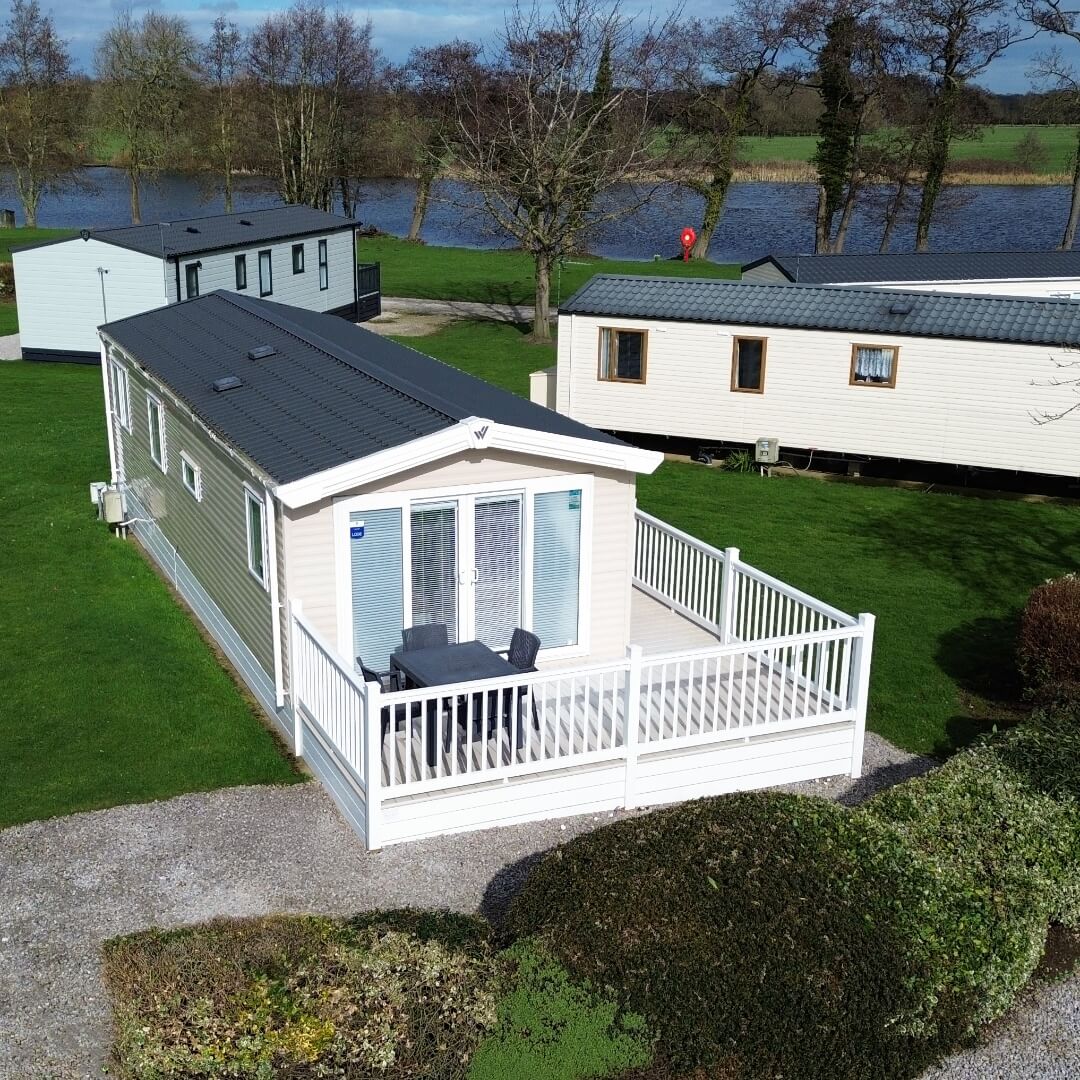
The reality is that most sites up and down the country have the right to move people from one base to another if they choose. And there are strict “appearance” criteria in the licence agreements. So even if you’ve got a licence until Judgment Day, you could be moved from your cushy lakeside plot to the pitch next to where the bins are collected! Again, having no licence limit suggests the site cares more about selling a holiday home than being transparent with customers. Caravans are built to last decades, not centuries, and people should go into this with their eyes open.
We don’t mind extending licences – yes we obviously love it when people upgrade their holiday experiences by part-exchanging, but ultimately we have no need or desire to boot people out who don’t want to leave. If you look after your holiday home and it looks smart, and if you like us and we like you, why wouldn’t we extend? Owner retention is important to us, as is the appearance of the park. Licence lengths are an important element of keeping owners conscientious about the appearance of their holiday home.

Let out your holiday home and offset your pitch fees!
Lots of sites will say “join our sublet scheme and you won’t have to pay pitch fees”. This is a brilliant move by sites that care more about rental revenue than holiday home owners enjoying and looking after their holiday homes for many years.
Really, this is another effort to overstretch customers and secure a sale without any interest in how the ongoing cost of holiday home ownership would fit into the customer’s budget. What if it’s a good year for rentals? The site makes more money, the customer’s caravan depreciates more. What if it’s a bad year for rentals? The site doesn’t mind – it has the customer’s pitch fees to fall back on. What if the customer can’t afford the pitch fees? Not the site’s problem.
Effectively this boils down to holiday home owners financing the site’s hire fleet. It’s genius from the sites, but the loser in the situation is the holiday home owner whose caravan is trashed by a stag do the week before they planned to spend their wedding anniversary in their holiday home, or the customer who has to pay pitch fees after a bad year for rentals and who hadn’t factored that into their budget.

Family-run companies without a successor
Lots of people want a family-run park. They like the consistency, the values, the actual person they can talk to rather than being put through to management. And there’s less likelihood of a massive pitch fee hike to pay dividends to shareholders, or the holiday park being sold (again) to the highest bidder.
However, one thing to look out for – make sure the next generation is in sight! If there’s a wonderful mum-and-dad business but Mum and Dad are in their sixties and little Timmy lives out in Singapore working in an investment bank and has a couple of kids at school there, you can bet that he’s not going to come back and run the family business!
And who buys sole operator family businesses? Sadly, very rarely are buyers people who want to be a sole operator family business… they are not where the money is at, the money is in chains and funds…