
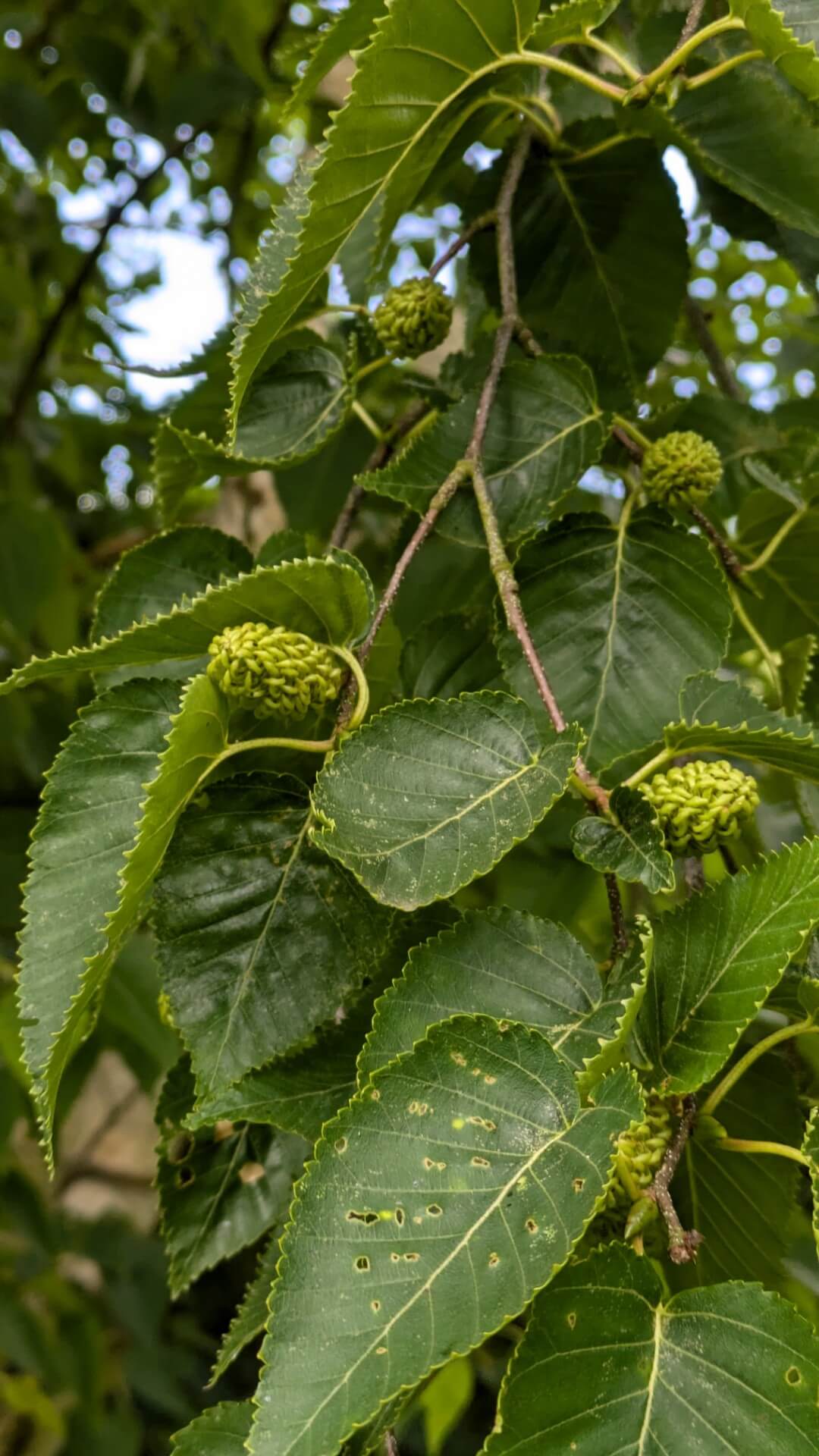
Common Alder
Alnus glutinosa
The common alder produces cone-like structures as its fruiting bodies.
About
Common Alder
In terms of height, the Common Alder typically grows to be a medium-sized tree, reaching heights of 60 to 80 feet (18 to 24 meters) at maturity.
The Appearance
A medium-sized deciduous tree with a conical shape, dark green leaves, and distinctive woody cones. It can grow up to 70 feet tall.
The Produce
The common alder produces cone-like structures as its fruiting bodies. These structures are called strobiles or catkins.
The Flowers
Produces small, yellow catkins in early spring, which are followed by woody, cone-like fruits.
The Leaves
They are broadly oval to elliptical in shape, with serrated margins.
The Habitat
Prefers moist, well-drained soils and full sun. Commonly found along riverbanks and wetlands.
The Ecology
Provides habitat and food for various wildlife, including birds and insects. The roots improve soil fertility by fixing nitrogen.
The Culture
Used in traditional medicine and for timber, particularly in waterlogged conditions as the wood resists decay.
Fun Facts
The Common Alder improves soil fertility through its symbiotic relationship with nitrogen-fixing bacteria in its roots.

Explore Deeper With The Interactive Map
Unleash your inner explorer with our interactive map of the Arboretum. This live map labels the location of every tree in the arboretum, providing detailed information on each one.
Dive into the fascinating stories behind each tree, learn about their origins, characteristics, and unique attributes. The interactive map is your perfect companion for an engaging and educational adventure. Discover the rich tapestry of nature with just a few clicks!
Arboretum Index
Stay at East Yorkshire’s most peaceful holiday park