
Wild Service Tree
Sorbus torminalis
In spring, it produces fragrant white flowers that attract pollinators and later bears small, berry-like fruits that are dark purple to black when ripe.
About
Wild Service Tree
The Appearance
A medium-sized deciduous tree with a broad, rounded crown and lobed leaves that turn red and orange in autumn. It produces clusters of white flowers followed by brown, speckled fruits.
The Produce
While not typically consumed by humans due to their astringent taste, these fruits are essential food for birds and other wildlife, making the wild service tree a valuable contributor to woodland ecosystems and biodiversity conservation.
The Flowers
Produces clusters of white flowers in spring, followed by brown, speckled fruits in autumn.
The Leaves
Its pinnate leaves turn various shades of green, yellow, and orange in the autumn, adding to its aesthetic appeal.
The Habitat
Prefers well-drained soils and full sun to partial shade. Commonly found in woodlands and hedgerows.
The Ecology
Provides habitat and food for various wildlife, including birds and insects. The fruits are eaten by birds and mammals.
The Culture
Valued for its ornamental flowers and fruits, as well as its timber. Often planted in gardens and parks.
Fun Facts
Wild Service Tree is known for its rare and unusual fruits, which are edible but not commonly found in markets.
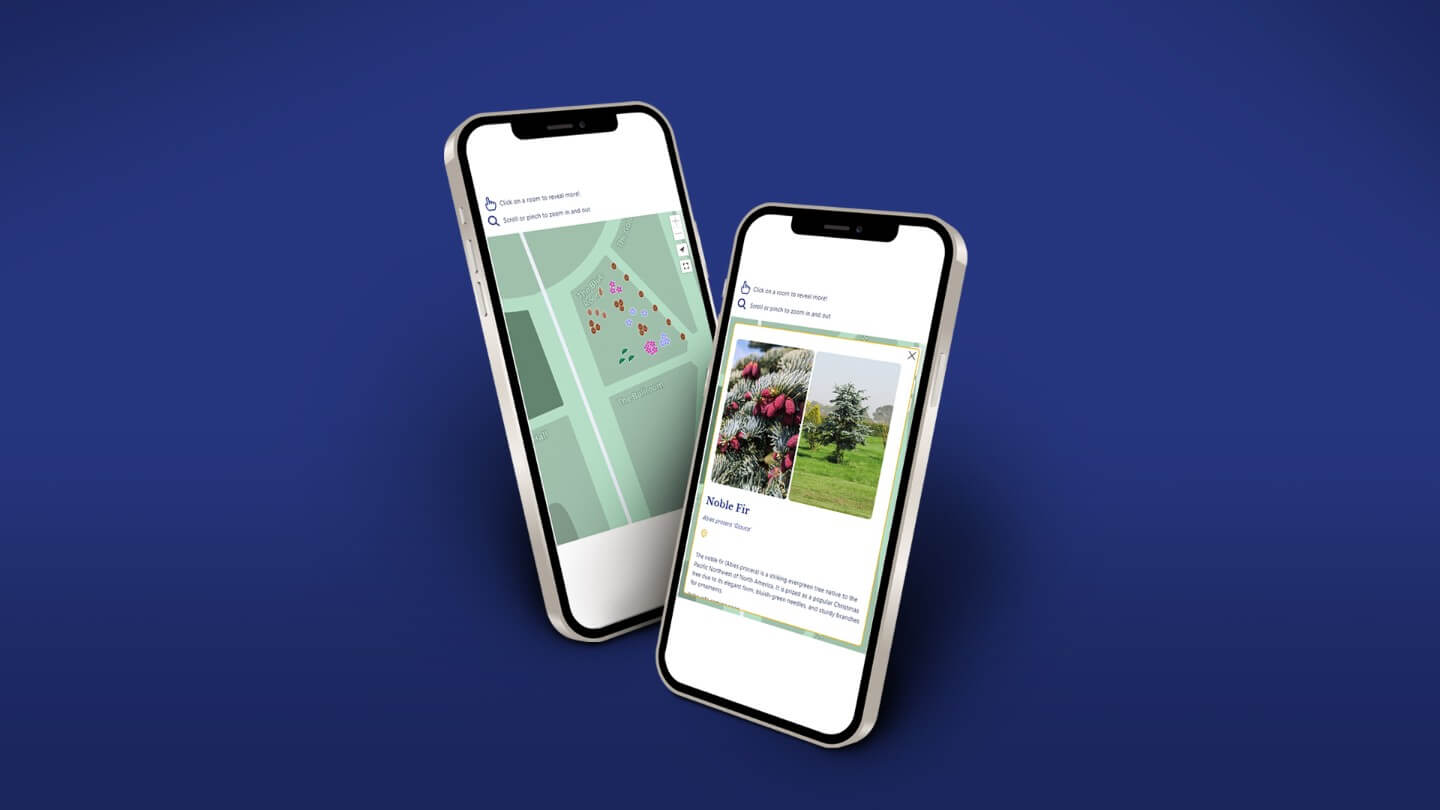
Explore Deeper With The Interactive Map
Unleash your inner explorer with our interactive map of the Arboretum. This live map labels the location of every tree in the arboretum, providing detailed information on each one.
Dive into the fascinating stories behind each tree, learn about their origins, characteristics, and unique attributes. The interactive map is your perfect companion for an engaging and educational adventure. Discover the rich tapestry of nature with just a few clicks!
Arboretum Index
Stay at East Yorkshire’s most peaceful holiday park